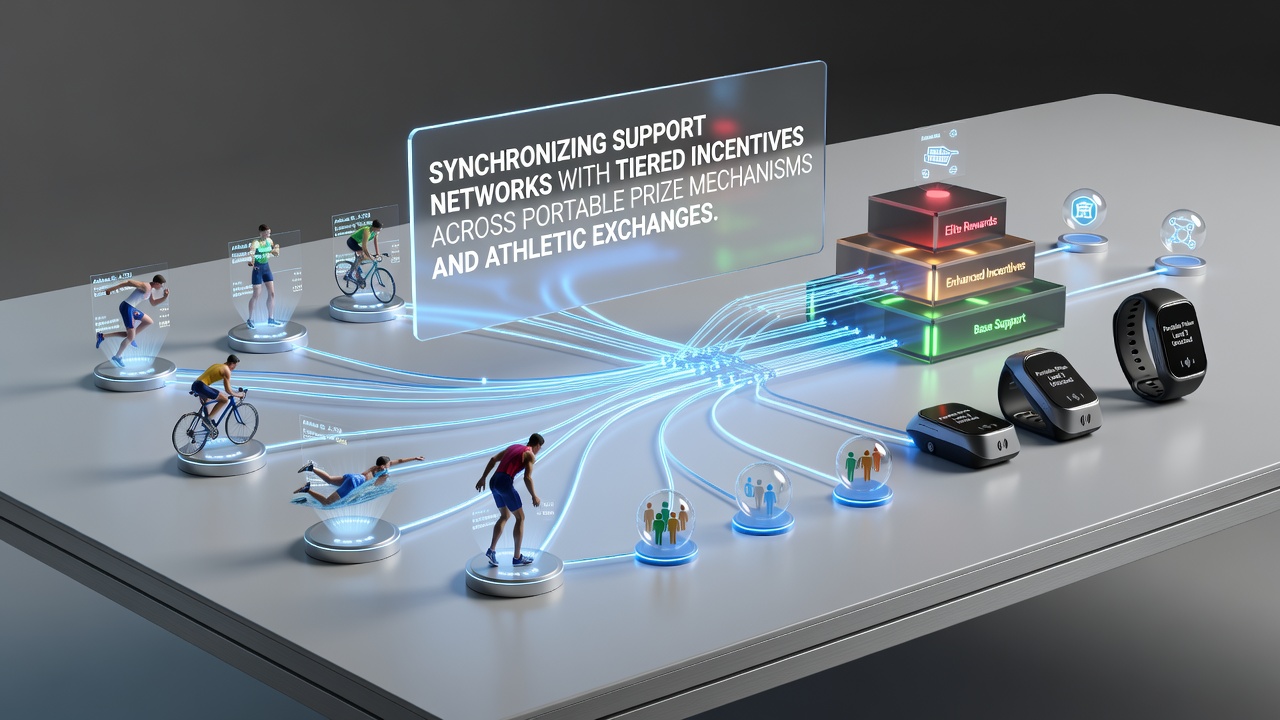
Synchronizing Support Networks With Tiered Incentives Across Portable Prize Mechanisms and Athletic Exchanges
Support networks in portable prize mechanisms and athletic exchanges function through coordinated layers that align customer assistance channels with progressive reward structures, allowing users to accumulate benefits across mobile slots, dealer sessions, and sports markets while maintaining transaction flexibility. Research indicates these systems rely on data synchronization protocols that track user activity in real time, enabling seamless shifts between different prize categories without disrupting ongoing sessions.
Portable prize mechanisms typically incorporate tiered incentives that scale according to participation levels, where entry-level users receive basic access to bonus rounds while higher tiers unlock accelerated payout options and exclusive athletic exchange features. Data from industry monitoring shows that platforms employing such structures report increased session durations, particularly when support teams intervene at key transition points to resolve technical issues or clarify reward eligibility.
Core Elements of Tiered Incentive Alignment
Observers note that tiered incentives operate on a progression model where accumulated points from sports wagers feed directly into live dealer promotions, creating unified pathways that span multiple game types. Support networks play a central role here by providing immediate guidance on how to apply those points, often through integrated chat systems that reference a user's current tier status and available options. According to figures from the American Gaming Association, synchronized systems of this type have contributed to broader adoption rates in mobile environments during periods of expanded athletic market activity.
Transaction flexibility remains a key factor, as users expect to move funds or redeem rewards across devices without delays, and support teams facilitate this by monitoring backend ledgers that connect portable mechanisms to centralized athletic exchange databases. When discrepancies arise, such as delayed prize credits after a live session, assistance protocols trigger automated alerts that route issues to specialized agents trained in both gaming and sports verticals.
Support Network Integration in Athletic Exchanges
Athletic exchanges benefit from these synchronized frameworks because they allow rapid response to market fluctuations, where support staff can advise users on adjusting bets or claiming related incentives based on real-time odds movements. In June 2026, platform analytics revealed that exchanges with embedded support tiers experienced fewer abandoned transactions compared to standalone setups, as agents could simultaneously address technical queries and explain how new wagers might advance a user's incentive level.
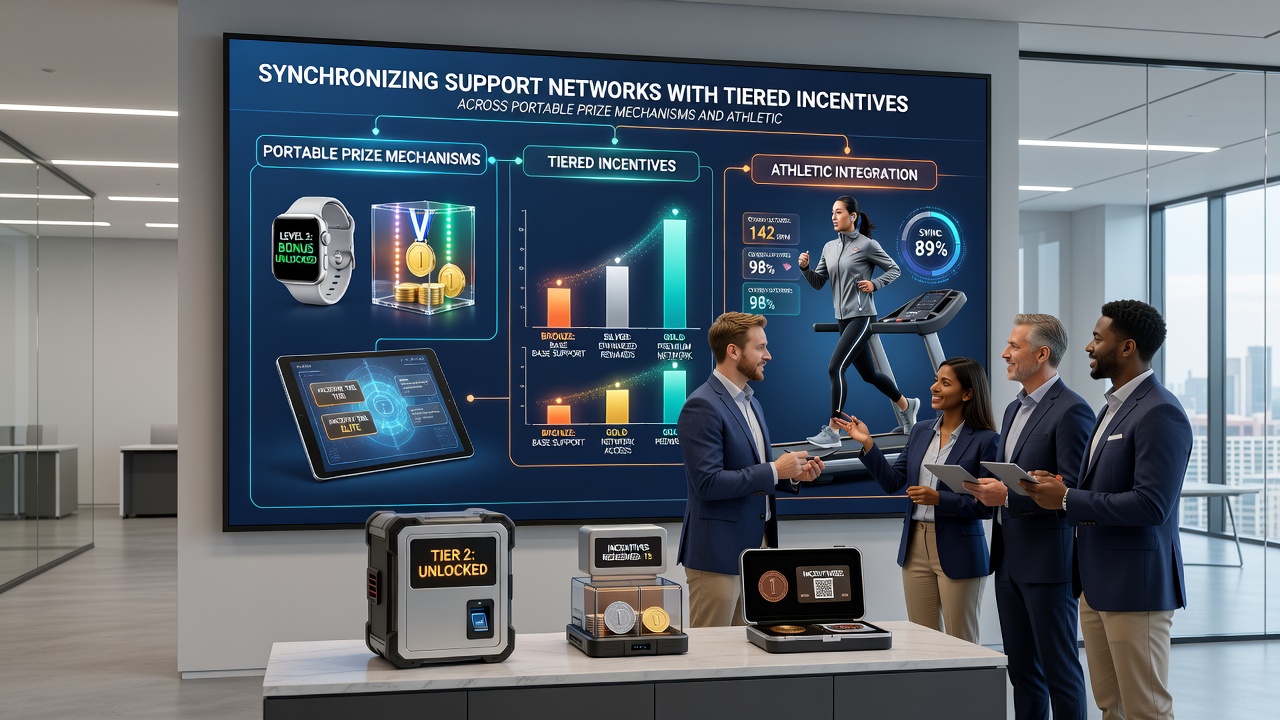
Those who have studied multi-platform operations find that portable prize mechanisms gain efficiency when linked to athletic data streams, permitting rewards earned in one area to influence opportunities in another. Support networks maintain continuity by using shared user profiles that update across applications, reducing the need for repeated verifications and allowing agents to focus on complex queries involving cumulative wins or sudden fortune events.
Recent Patterns in Cross-Platform Coordination
Patterns observed in mid-2026 highlight increased emphasis on API connections that bind portable systems together, enabling support teams to access unified dashboards showing both prize accumulation and athletic exchange histories. European Gaming and Betting Association reports from the same period documented how such linkages support regulatory compliance by logging every incentive adjustment alongside transaction records, which helps platforms demonstrate transparent operations to oversight bodies.
Users navigating these environments often encounter tier thresholds that unlock additional assistance levels, such as dedicated lines for premium participants seeking to optimize their sports market strategies while managing prize redemptions. This layered approach ensures that basic support remains available to all while advanced networks handle the intricacies of combining mobile live sessions with athletic betting lines.
Conclusion
Overall, synchronizing support networks with tiered incentives across portable prize mechanisms and athletic exchanges creates operational cohesion that supports user progression and transaction continuity. Evidence from multiple monitoring sources confirms that platforms investing in these integrations maintain consistent performance metrics even as mobile participation grows, with assistance protocols serving as the connective tissue between diverse reward pathways and market activities.