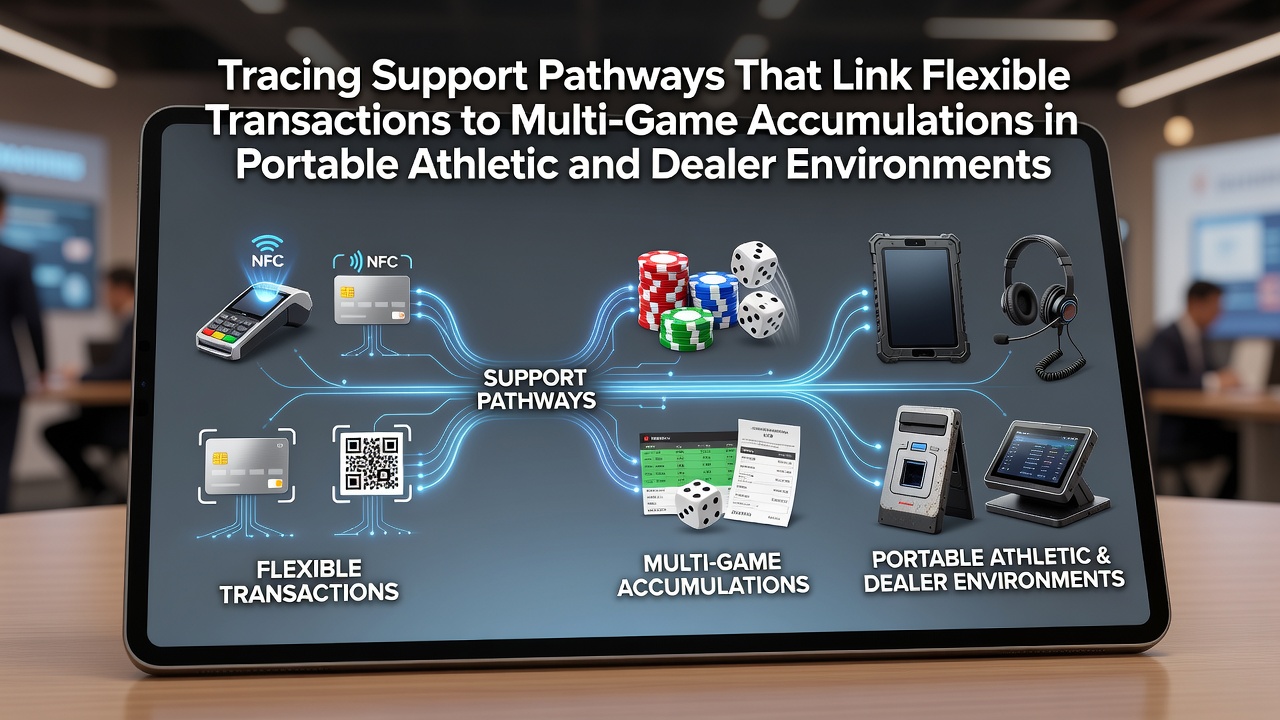
Tracing Support Pathways That Link Flexible Transactions to Multi-Game Accumulations in Portable Athletic and Dealer Environments
Support pathways in portable environments connect flexible transaction options to reward accumulation across athletic markets and dealer-led sessions, creating integrated systems that operate on handheld devices. These networks allow users to move funds between different game types while tracking cumulative progress toward bonuses and prizes. Data from industry reports indicate that transaction flexibility has expanded significantly by July 2026, with platforms enabling instant deposits and withdrawals that feed directly into multi-game tracking modules.
Core Components of Transaction and Reward Integration
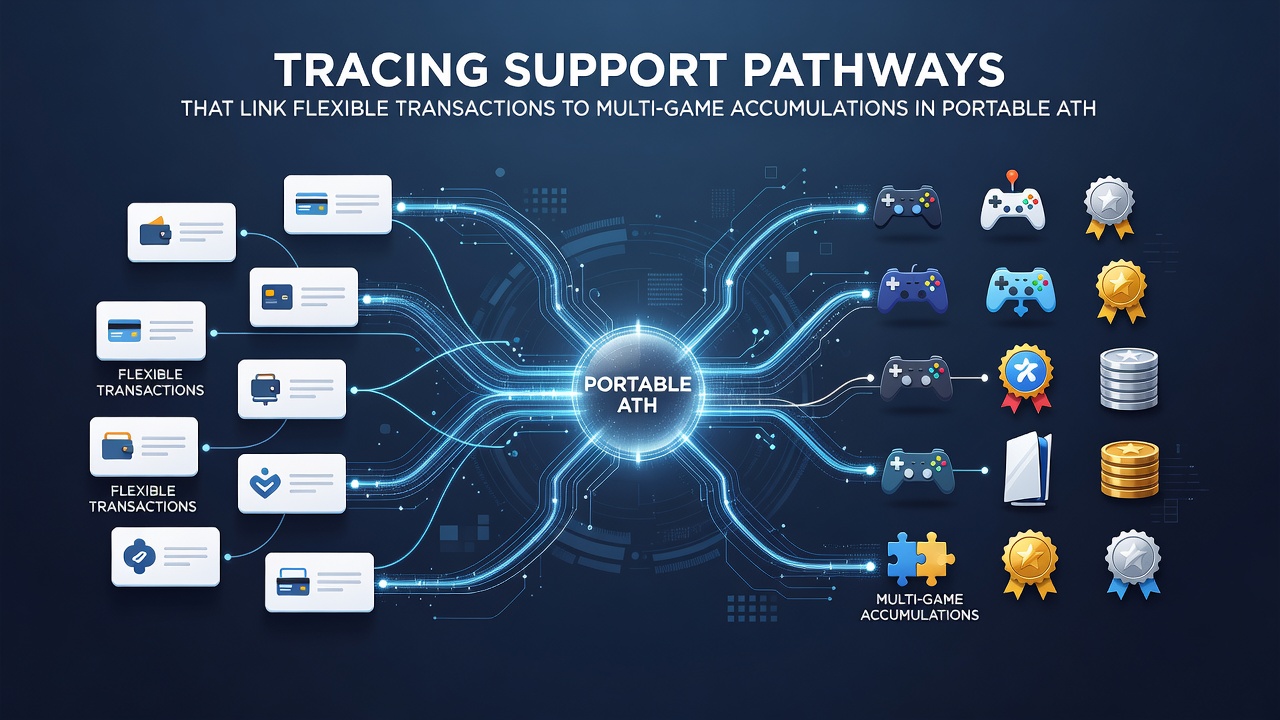
Flexible transactions include various payment methods such as digital wallets, bank transfers, and instant credit options, all of which feed into centralized accumulation engines. Researchers at gaming technology firms have documented how these inputs trigger real-time updates to player profiles that span sports betting lines and live dealer tables. According to findings from the Canadian Gaming Association, systems now synchronize reward ledgers so that activity in one category automatically influences eligibility in others, reducing fragmentation that once limited cross-game progress.
Support networks consist of automated chat systems, dedicated account managers, and backend monitoring tools that resolve discrepancies in accumulation records. Observers note that these pathways activate when a transaction occurs, verifying the movement of funds before crediting corresponding reward points or bonus meters. The process relies on API connections that link payment processors directly to game servers, ensuring data consistency across mobile sessions.
Operational Flows in Athletic and Dealer Settings
In athletic markets, users place wagers on events while their transaction history builds toward tiered loyalty thresholds. Dealer environments add another layer where live table interactions generate separate accumulation streams that merge with sports data through unified dashboards. Studies from the University of Nevada, Reno gaming research center reveal that July 2026 platform updates have introduced predictive algorithms that forecast accumulation milestones based on recent transaction patterns, allowing proactive support interventions when users approach reward thresholds.
Portable devices handle these flows through optimized applications that maintain session continuity even during network switches. Support pathways intervene when accumulation stalls due to verification delays or payment reversals, restoring balance across game types without requiring users to restart progress tracking. Industry data shows that such interventions occur most frequently during peak evening hours when both sports markets and live dealer tables experience high traffic volumes.
Regional Patterns and Platform Adaptations
North American operators have adjusted their systems to comply with varying state regulations while maintaining cross-game accumulation features. Australian regulatory frameworks, detailed in reports from the Australian Communications and Media Authority, emphasize transparent tracking of how transaction flexibility contributes to reward eligibility in mobile environments. European platforms meanwhile incorporate similar mechanisms but layer additional security protocols that verify each transfer before updating multi-game ledgers.
Platform developers continue to refine these pathways by analyzing user behavior data collected across sports and dealer sessions. The adjustments focus on reducing latency between transaction completion and reward crediting, which directly impacts accumulation speed. Evidence from multiple operator case studies indicates that streamlined support responses correlate with higher retention rates among users who engage multiple game categories simultaneously.
Conclusion
Support pathways that link flexible transactions to multi-game accumulations have become standard infrastructure in portable athletic and dealer environments by July 2026. These systems rely on integrated data flows, automated verification, and responsive assistance tools to maintain continuity across different game types. Ongoing refinements driven by regulatory requirements and technical capabilities continue to shape how transaction flexibility translates into cumulative rewards on mobile platforms.